
CG & VFX
Photoreal 3D, product CGI, visual effects and compositing — built to survive extreme close-up on any screen.
Get a Quote →
What this covers
This is the discipline that lets a product appear on screen before it exists, in colourways that were never manufactured, in environments that would be impossible or ruinous to shoot. Once a product is modelled, lit and look-dev'd, it can be re-rendered at any angle for as long as the campaign runs.
It also covers the invisible half of the job: cleanup, set extension, screen replacement and the compositing that makes a CG element sit convincingly inside a live plate. Most of our best VFX work is the kind nobody notices.
What you get
Four capabilities that usually arrive in combination rather than alone.
What makes CGI believable

The build is the easy half. Materials, lighting and imperfection are what sell it.
Audiences can't articulate why a render looks fake, but they spot it instantly. It's almost never the modelling. It's materials that are too clean, lighting that's too even, edges that are too perfect, and the absence of the small imperfections every real object carries — a fingerprint, a dust mote, a slightly worn edge, a reflection of something that isn't in frame.
So most of the craft time goes into look-dev rather than geometry: matching how a finish actually behaves under the campaign's lighting, and then deliberately adding back the irregularity that makes it read as a photographed object.
The cost question, honestly
Compared shot for shot against a shoot, CGI rarely looks cheaper. Compared across a whole campaign, it usually is. One build carries the hero film, the social cutdowns, the OOH stills, the retail loop and the configurator — with no reshoot when a colourway changes or a spec updates late.
The trade-offs are real and we'll name them: CGI front-loads effort into build and look-dev, so the early weeks feel slow, and photoreal at extreme close range takes genuine craft. Cheap CGI is easy to spot, and audiences are less forgiving than they used to be. If a brief is better shot, we'll say so.
Invisible VFX

Compositing is where a CG element stops being an element and becomes part of the shot.
A large share of the VFX in any ad is work the audience is never meant to notice: removing a crew reflection, extending a set that ran out of wall, replacing a screen, fixing a product that shipped in the wrong finish, or cleaning a logo that couldn't be cleared.
It's unglamorous and it's often what saves a shoot. We'd rather flag these in pre-production than discover them in the grade, so we read the boards with an eye for what's going to need fixing later.
How it runs
Modelling from your CAD or reference, then look-dev until the materials read correctly under the campaign's lighting. Layout and animation follow the approved boards from Design. Then lighting, rendering, compositing and grade — delivered into the edit alongside the Motion work so the whole piece grades as one.
Where it genuinely saves time, AI-assisted steps sit inside this pipeline for previs, iteration and cleanup — never in place of the final craft.
Selected work
Product CGI and visualisation for consumer-tech, mobility and real-estate brands.
 Ather — Halo by Ather
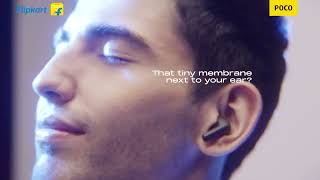 POCO Pods
 Xiaomi Notebook Pro
 Eureka Forbes — ZeroBend
 Embassy — Olive Living
 Mi — Redmi Note 14 Pro
Related reading


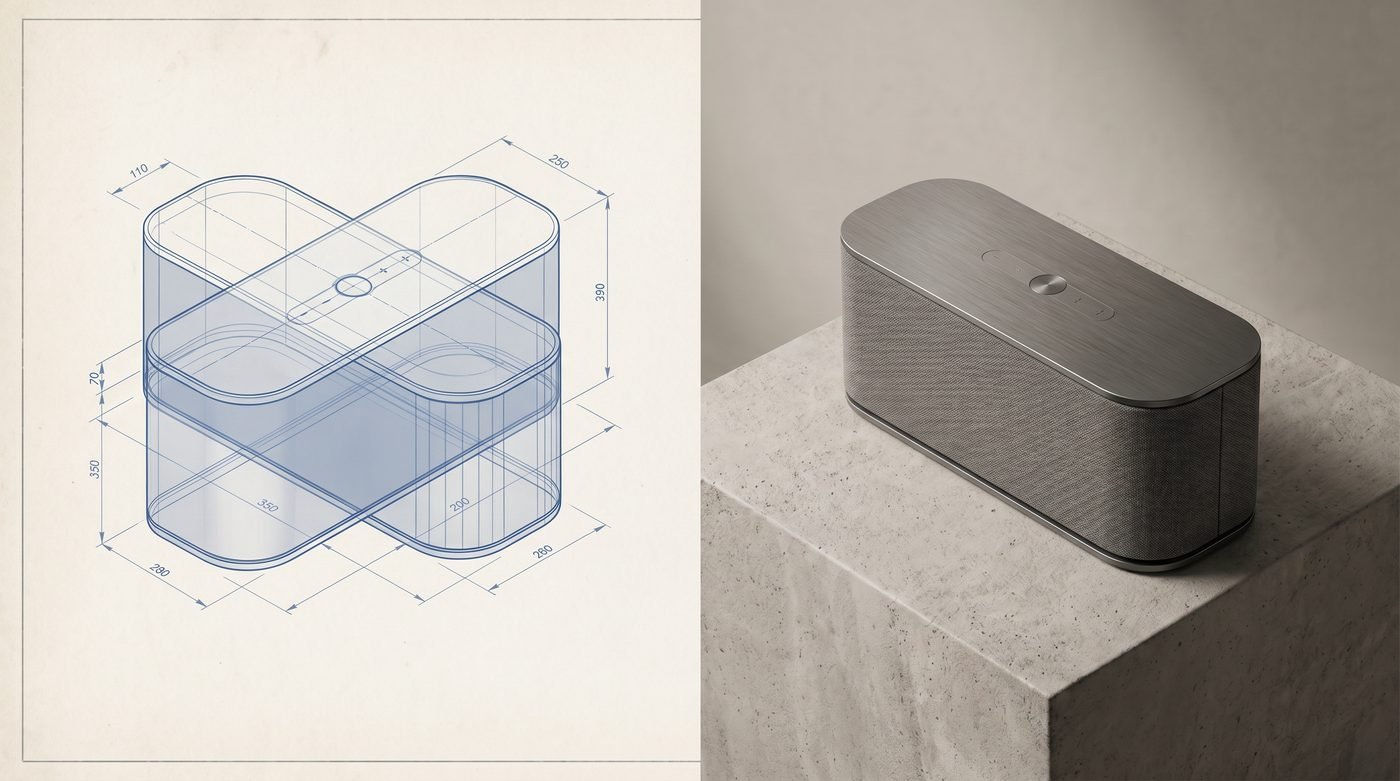


Product not ready to shoot?
Send us the CAD or the reference and tell us what the campaign needs — we'll take it from build through final delivery.
Get a Quote →